


Fanatical Football
3.849.50K Reviews
App Specs
- Version
- 1.25
- Updated On
- License
- Free
- Downloads
- 10,000,000+
- Developer
- Mouse Games
- Categories
- Sports
- Platform
- Android
Screenshots
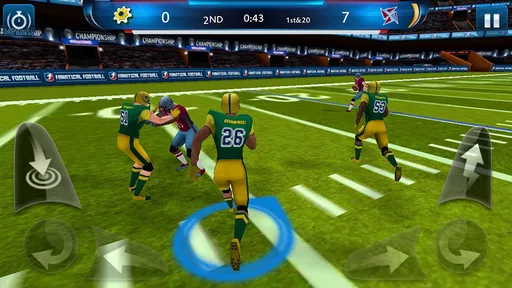
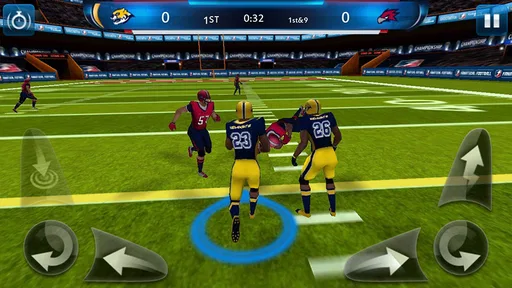
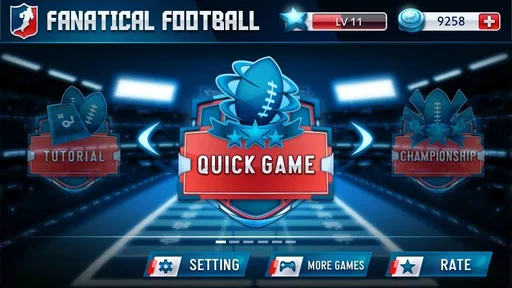
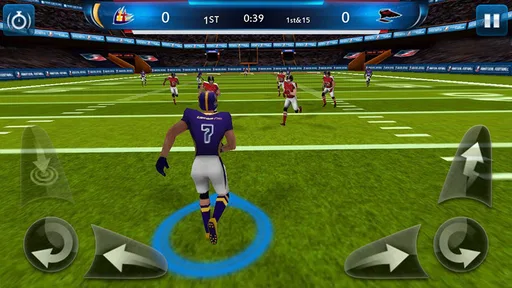
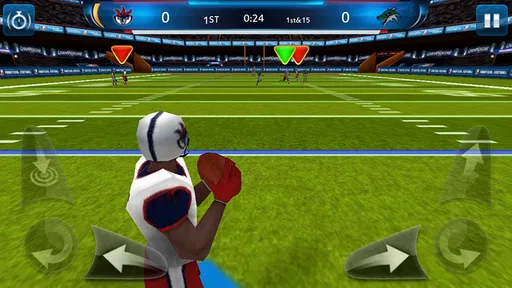
 Analysis by AppCompare
Football games are easy to recommend in theory and surprisingly difficult to judge in daily use. A quick match can be exactly what I want after a long day, but only if the controls feel responsive, the game does not become exhausting on a smaller screen, and progress does not feel buried under pressure to spend. That is the lens I used with Fanatical Football, a free sports game from Mouse Games.
My overall impression is that it aims for an accessible football experience rather than a full simulation. It is the sort of game I would open when I want immediate action without committing to a long console-style session. Its broad appeal is reflected in its reach: it has passed ten million installs and holds a 3.8 average from around 437,000 ratings. Those figures suggest a large audience, but they also tell me to look beyond popularity and ask whether the game still fits a particular player’s habits.
How Fanatical Football feels in everyday play
I find the everyday appeal here is less about recreating a full football season and more about having a match ready for a small pocket of free time. That makes it worth judging by how naturally a short play session fits around interruptions, not by how long I can stay in the game. The next question is what keeps those sessions engaging: how quickly an action produces feedback, and whether that rhythm feels satisfying rather than rushed.
A quick start with a clear sports focus
The strongest part of the experience is its straightforward identity. There is no need to learn an elaborate management routine before getting to the football. I can treat it as a pick-up-and-play title, which makes it useful for short breaks, waiting rooms, or a few matches before bed. That simplicity is more important than it sounds: many sports games become cluttered with menus, currencies, and long setup sequences, while this one is easier to approach as a game first.
I would describe the action as arcade-leaning rather than a strict recreation of real football. That distinction matters. If you want exact tactical control, deep squad administration, or the slow rhythm of a serious simulation, this probably will not replace a larger console or mobile management game. If you want the feeling of directing a football match through quick decisions and energetic play, its lighter approach is more comfortable.
The store summary presents it as an authentic football experience, but I would interpret that promise carefully. The authenticity is best understood as the atmosphere and basic idea of football on a phone, not as a guarantee that every movement, decision, and match situation will behave like a televised professional game. I enjoyed it more when I accepted that balance instead of expecting a complete simulation.
Perceived speed and control response
On a compatible device, the game generally feels built around quick interaction. The appeal depends on being able to make a decision and see the result without a long pause between actions. That makes it suitable for players who prefer short bursts of play, although touch controls always require some adjustment. A screen is less precise than a physical controller, and crowded moments can make a simple input feel less deliberate than intended.
Worth Reading Before You Choose

EA SPORTS FC Mobile 26 Is a Bigger Football Game, but It Takes Time

Flipboard Shows What News Apps Must Do Beyond the Feed

Switching to Android Auto Means Rethinking Your Driving Routine

Google Calendar Makes a Crowded Week Easier to Manage

Ludo King Makes the Most of the Minutes Between Plans

Baby Panda World Brings Quick Play to Modern Phones, but Its Game Library Feels Busy
My practical advice is to begin with shorter sessions and pay attention to how comfortable your hands feel. The main limitation is not necessarily the game’s ambition; it is the natural compromise of controlling football on a phone. A larger display can make the field easier to read, while a smaller one may encourage faster, less careful decisions. I would not judge the whole game after a single rushed match, because the control rhythm becomes more understandable after a little practice.
The best speed advantage is its low commitment: I can play without planning a long evening around it. That makes it more appealing than a demanding sports title when I only have a few minutes. The trade-off is that quick access does not automatically mean deep variety, so players looking for a long-term tactical hobby may eventually want something more substantial.
What happens during busy moments
Football games become most revealing when several things happen at once. A crowded attack, a defensive recovery, or a fast change of direction asks more from both the player and the device than a quiet opening phase. These are the moments when touch input can feel less forgiving and when a phone’s age, available memory, or general condition may become more noticeable.
I would avoid judging performance only from the first menu or the opening seconds of a match. A better test is to play several consecutive sessions, switch between menus and matches, and notice whether the experience remains comfortable. That is also a useful way to decide whether the game suits an older phone. If your device already struggles with other modern games, you should keep expectations modest even though the minimum requirement is Android 5.0.
Heavy use is also a question of attention. Because the game is designed around football action, repeated matches can become mentally busier than they first appear. I found that short sessions worked better than treating it as an endless marathon. Taking a break after a few matches helps prevent the controls from feeling rushed and makes it easier to distinguish a genuine performance issue from ordinary player fatigue.
Stability and returning to a match
For a mobile sports game, reliability is about more than avoiding a crash. I also want predictable loading, controls that behave consistently, and a reasonable return to play after closing the app. In everyday use, I would test it in the same situations in which I expect to play: briefly while multitasking, for a longer uninterrupted session, and after switching away and coming back.
The current version is 1.25, which shows that the game has continued through multiple revisions since its release on October 25, 2013. That long presence is useful context, but it should not be confused with a promise that every device will behave identically. Android phones vary widely in screen size, memory, background activity, and manufacturer software. A game can feel comfortable on one phone and less consistent on another without either experience being universal.
My recommendation is to keep your first session practical. Do not immediately spend time building a long routine or making purchases. Play enough to see whether the app opens reliably on your phone, whether the touch layout suits you, and whether returning after an interruption feels acceptable. That small test answers more than a general reputation can.
Device limits and what they mean
Fanatical Football supports Android 5.0 and later, so its compatibility range includes older Android hardware. That is helpful for people who do not own a recent flagship, but an operating-system requirement is only the starting point. It does not tell me exactly how smoothly every phone will handle the game, especially when the device is busy with other apps or has limited free storage and memory.
I would choose a larger, reasonably modern phone if visual clarity and comfortable controls matter to you. On a compact handset, football action can feel more compressed, and mistakes may come from reading the screen rather than understanding the match. Players using an older device should close unnecessary background apps before playing and avoid assuming that an age-compatible phone will deliver the same comfort as newer hardware.
Resource demands also affect battery expectations. Any game that keeps the screen active and asks for continuous touch input can be more demanding than reading or messaging, so I would not plan a long session when the battery is already low. This is not a criticism unique to this title; it is simply part of deciding whether a mobile football game fits your routine. The useful question is whether the entertainment value justifies that use for you.
Free access and the spending question
The game is free to install, which makes trying it easy. That is a genuine advantage because you can assess the controls and performance on your own phone before deciding whether it deserves regular space on your device. The age rating is Everyone, so it is positioned as an approachable choice for a broad audience rather than a game aimed at mature players.
There are in-app purchases ranging from $1.99 to $99.99 per item. I would treat that range as a reason to establish a personal spending limit before getting invested. A free game can still become expensive if convenience, progression, or repeated play encourages impulse purchases. My preferred approach is to play the opening sessions without buying anything, then ask whether the core football remains enjoyable on its own.
This is also where the game may not suit everyone. If you dislike any free-to-play structure involving optional purchases, a paid sports game with a clearer upfront cost may feel more comfortable, even if it offers less immediate accessibility. On the other hand, if you want to sample a football game without paying first, the free entry point is a practical benefit.
Who will enjoy it most?
I think it is a good fit for casual football fans who want quick mobile matches, newcomers who do not want a complicated sports interface, and players who enjoy improving through repeated short sessions. It can also work for someone looking for a simple distraction that feels more active than a puzzle or idle game. The Everyone rating makes it easier to recommend for a shared family device, although individual comfort with touch controls still matters.
I would be more cautious about recommending it to a player who wants licensed realism, detailed career planning, precise tactical formations, or the depth of a dedicated football simulator. It is also not my first choice for someone who expects every match to feel completely different over a very long period. The lighter, faster identity is an advantage for accessibility, but it can become a limitation for experts who want granular control.
Three practical ways to get more from it
Use the first few sessions as a control calibration period. Instead of chasing results immediately, learn how much movement is comfortable on your screen and whether a larger grip or landscape position makes your decisions more reliable.
Test the game in short and long sessions before making purchases. A title that feels excellent for ten minutes may become tiring after repeated matches, while a game that seems simple at first may become more enjoyable once the controls feel familiar.
Separate device problems from gameplay problems. If a match feels slow, repeat the test after closing background apps and allowing the phone to cool. If the issue remains, the limitation may be your handset rather than your understanding of the controls.
These steps sound basic, but they prevent a common mistake: spending money or blaming the game before discovering whether the real issue is screen size, battery condition, multitasking, or an uncomfortable session length.
How it compares with other mobile football choices
Compared with a full football simulator, this game is easier to approach and less intimidating. You give up some depth in exchange for faster access and a more compact experience. Compared with a pure arcade sports title, it still benefits from the recognizable structure of football, so it feels more purposeful than simply tapping through isolated challenges.
That middle position is its main reason to exist. It is not trying to be a console replacement for every football fan, and I would not choose it for a detailed team-building project. I would choose it when I want football-flavored action that starts quickly and does not demand a large time investment. Players who prefer management may be happier with a strategy-focused alternative; players who want spectacle may prefer a more technically ambitious simulator; players who want convenience may find this approach easier to live with.
Long-term value and everyday fit
My realistic use case is a short break during the day. I can play a match, put the phone away, and return later without turning the game into a major commitment. That works particularly well for people who enjoy sports games but rarely have time for a full console session. It is also useful on a spare Android phone, provided the device meets the operating-system requirement and handles the game comfortably.
The long-term question is whether the basic match loop continues to feel rewarding after the novelty fades. For me, that depends on expectations. If I treat it as a compact football game for occasional play, it remains easy to recommend. If I demand constant novelty, advanced simulation, or a purchase-free path through every part of the experience, the limitations become more visible.
The audience size is substantial, with more than 49,000 written reviews alongside the large rating total. I see that as evidence that the game has remained discoverable and relevant to many mobile players, not as proof that it will suit every person. A popular game can still be wrong for someone who dislikes touch controls or wants a deeper sports system.
My performance verdict
Fanatical Football works best when I judge it as a convenient mobile sports game rather than a complete football simulation. Its free entry, broad age positioning, long availability, and quick-session design make it approachable. Mouse Games has created something that can fit naturally into spare moments, especially for players who value immediate action more than extensive preparation.
At the same time, I would not ignore the trade-offs. Touch controls can be less precise during crowded play, older hardware may provide a less comfortable experience, and the in-app purchase range deserves careful attention. The game is also unlikely to satisfy people searching for deep tactical management or the most realistic possible football model.
My recommendation is conditional but positive: try it if you want free, accessible football on Android and are comfortable evaluating it on your own device. Start with short sessions, test the controls before spending, and use a larger or newer phone when possible. If that matches your priorities, it can be a worthwhile casual sports game. If you want simulation depth, guaranteed high-end performance, or a clearly defined one-time purchase, another football option will probably be a better fit.
Pros
- Simple controls make matches easy to pick up on mobile.
- Quick games suit short play sessions and commutes.
- Football-focused gameplay feels more engaging than generic sports games.
- Progression gives you a reason to keep improving your team.
- Runs well on many modern Android and iOS devices.
Cons
- Limited tactical depth may disappoint experienced football fans.
- Some content can feel repetitive after extended play.
- Online features may depend heavily on connection quality.
- Progression could feel slow without investing regular playtime.
- Ads or optional purchases may interrupt the overall experience.
FAQs for Fanatical Football
What is Fanatical Football?
Fanatical Football is an American football game focused on quick matches, team management, and competitive gameplay. It is designed for mobile players who want to build a team, improve their roster, and compete through football challenges without needing a long play session. The exact features, leagues, and available modes may vary depending on the version and platform.
Is Fanatical Football free to download and play?
Fanatical Football can generally be downloaded without an upfront purchase, but it may include optional in-app purchases. These purchases can provide virtual currency, upgrades, or other benefits that help progress more quickly. Players who prefer not to spend money can usually continue playing through normal gameplay, although progression may take longer and some content may be limited by ads or waiting periods.
Does Fanatical Football require an internet connection?
An internet connection may be required for important parts of Fanatical Football, such as downloading updates, synchronizing progress, displaying advertisements, accessing online competitions, or connecting to game services. Some gameplay elements may work offline, but this should not be assumed for every mode. For the most reliable experience, play while connected to a stable Wi-Fi or mobile data network.
Is Fanatical Football suitable for children?
Fanatical Football may be suitable for older children and teenagers who enjoy sports games, but parents should review the age rating and store information before installation. The game may contain advertisements, optional purchases, online features, or competitive mechanics. If children use the app, enabling purchase restrictions and checking privacy permissions is recommended to prevent accidental spending and limit unwanted interactions.
What devices are compatible with Fanatical Football?
Compatibility depends on the operating system, device model, and version of the game available through the relevant app store. Fanatical Football generally requires a reasonably modern Android or iOS device with enough storage space for installation and updates. Before downloading, check the official store listing for the latest operating-system requirements, supported devices, file size, and any regional availability restrictions.


